
Kitchens &
wardrobes
Certain parts of a home are lived with more intensely than others.
Kitchens.
Wardrobes.
Storage.
Furniture used every day, and understood not by a first impression alone, but by the life it must support over time.
Everyday precision
These are spaces where appearance alone is never enough.
They ask for proportion, access, durability, movement, ease of maintenance, and an understanding of how daily life actually unfolds.
Their success often lies in what remains unnoticed: the reach of a shelf, the logic of storage, the swing of a shutter, the endurance of a detail, the quiet absence of friction.
Design and making
At Hi iN, this work is approached with the same seriousness as architecture and interiors.
Its making capability has grown over nearly two decades, with roots in an earlier phase of Hyderabad’s furniture and cabinetry landscape, when only a handful of such facilities existed in the city.
Over time, the work has extended across close to two thousand projects, including homes, villas, model apartments, and long-standing collaborations with architects and interior designers.
This continuity between design and making has allowed kitchens, wardrobes, furniture, and related systems to be carried forward with greater familiarity, care, and control.
Working with others
Some of these projects emerge from our own architectural and interior work.
Others take shape in collaboration with architects and interior designers, where Hi iN contributes through design development, detailing, systems thinking, and making.
In either case, the intention remains the same: that what is made should belong naturally to the space, and endure naturally in use.
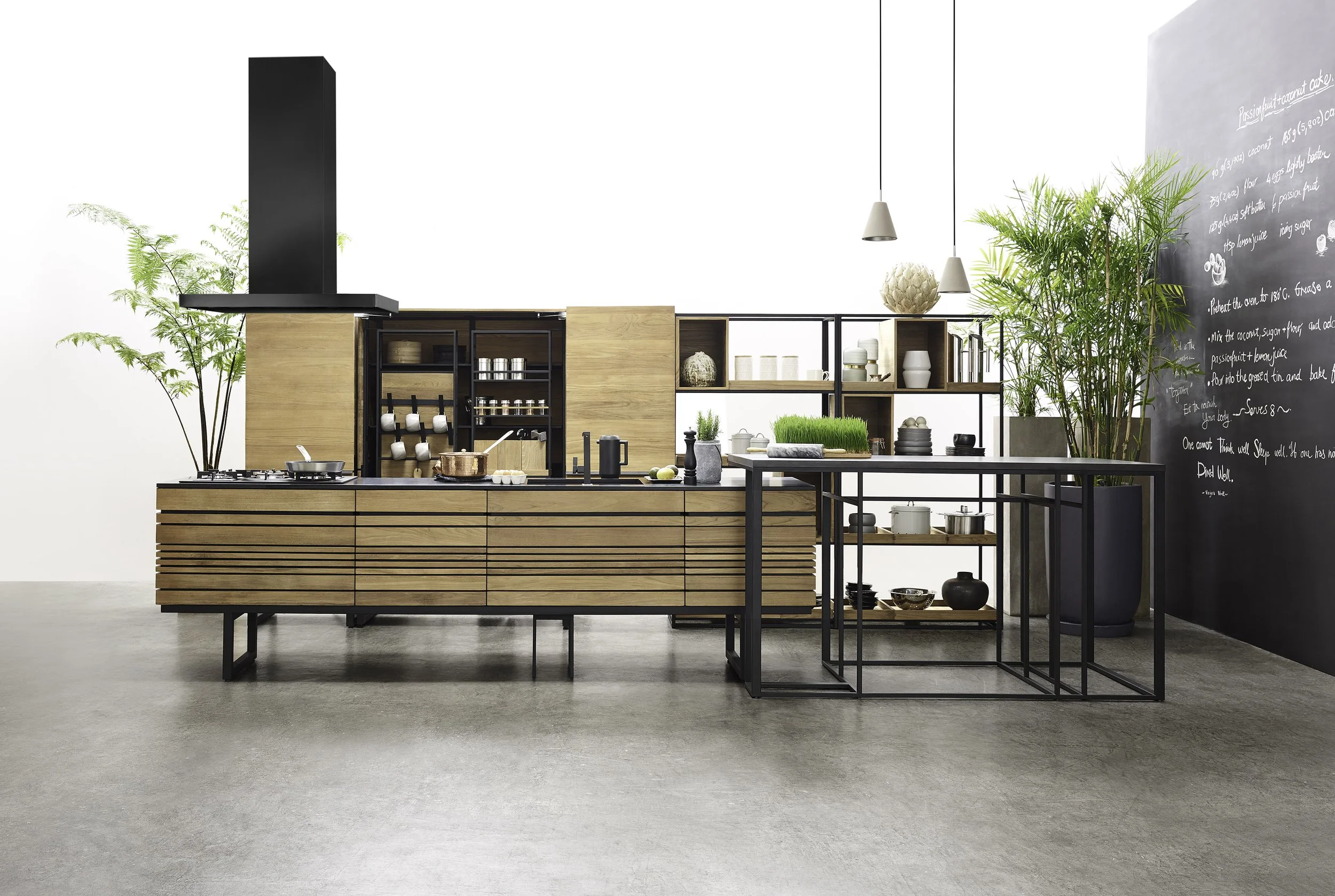
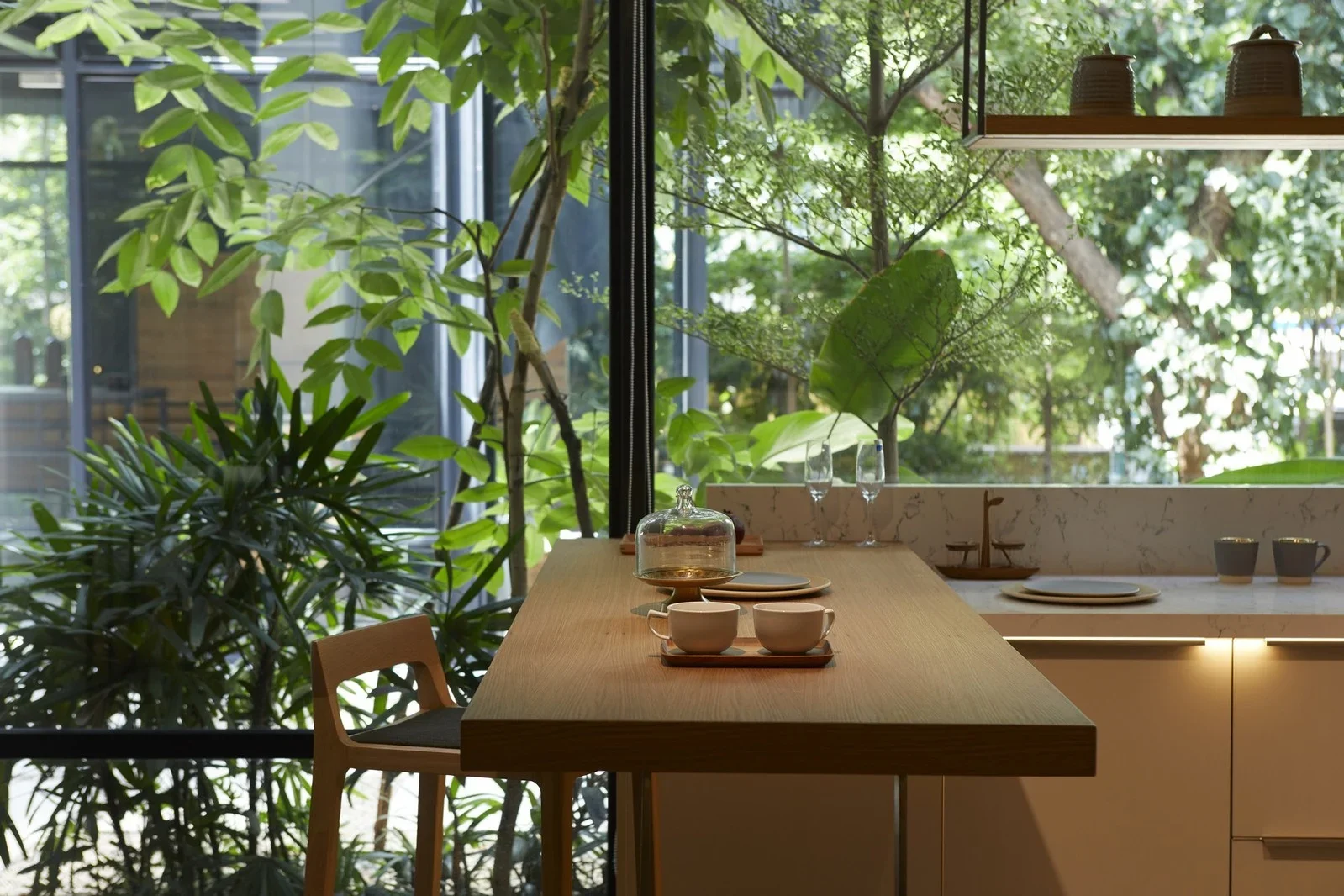
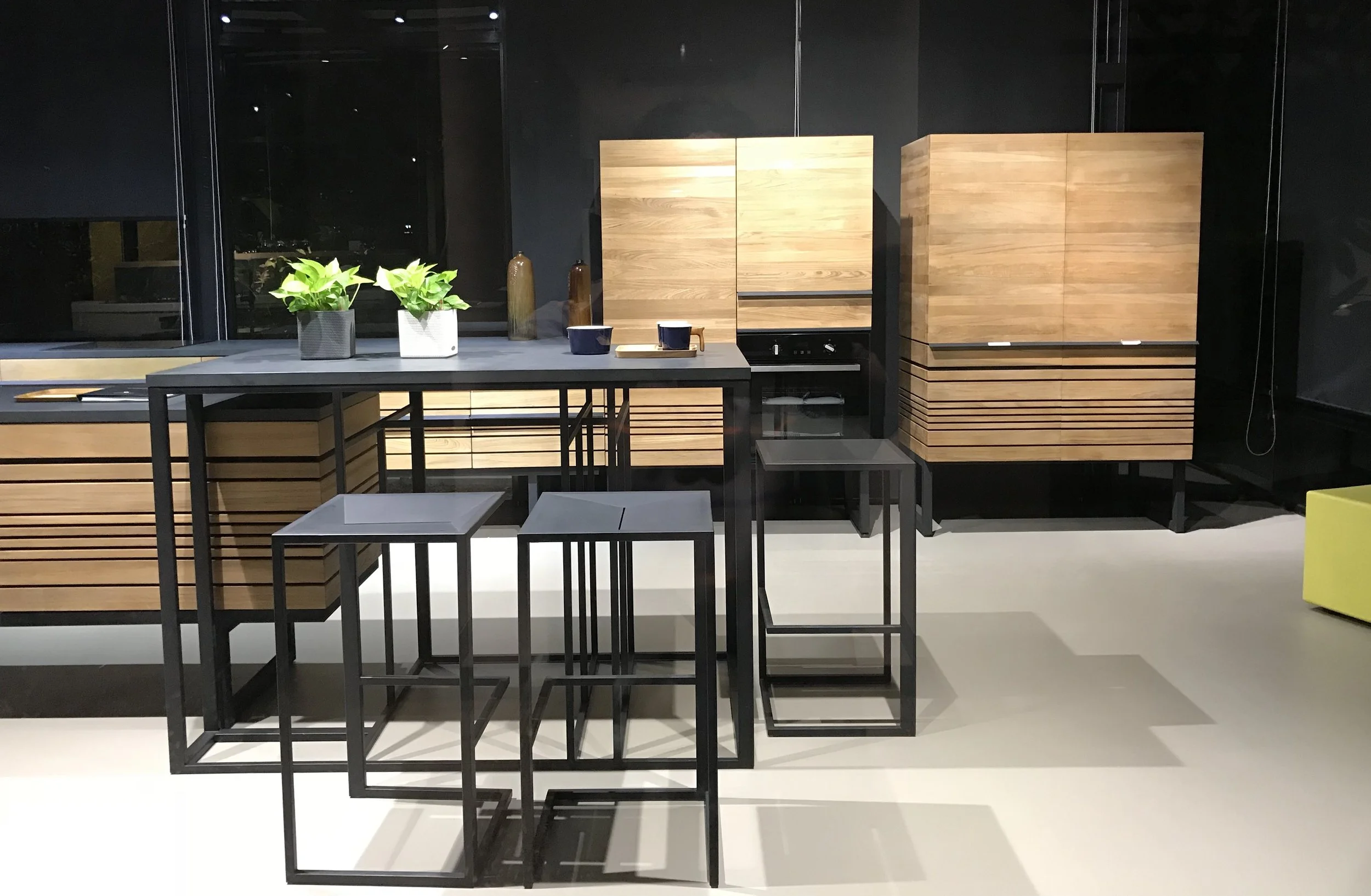
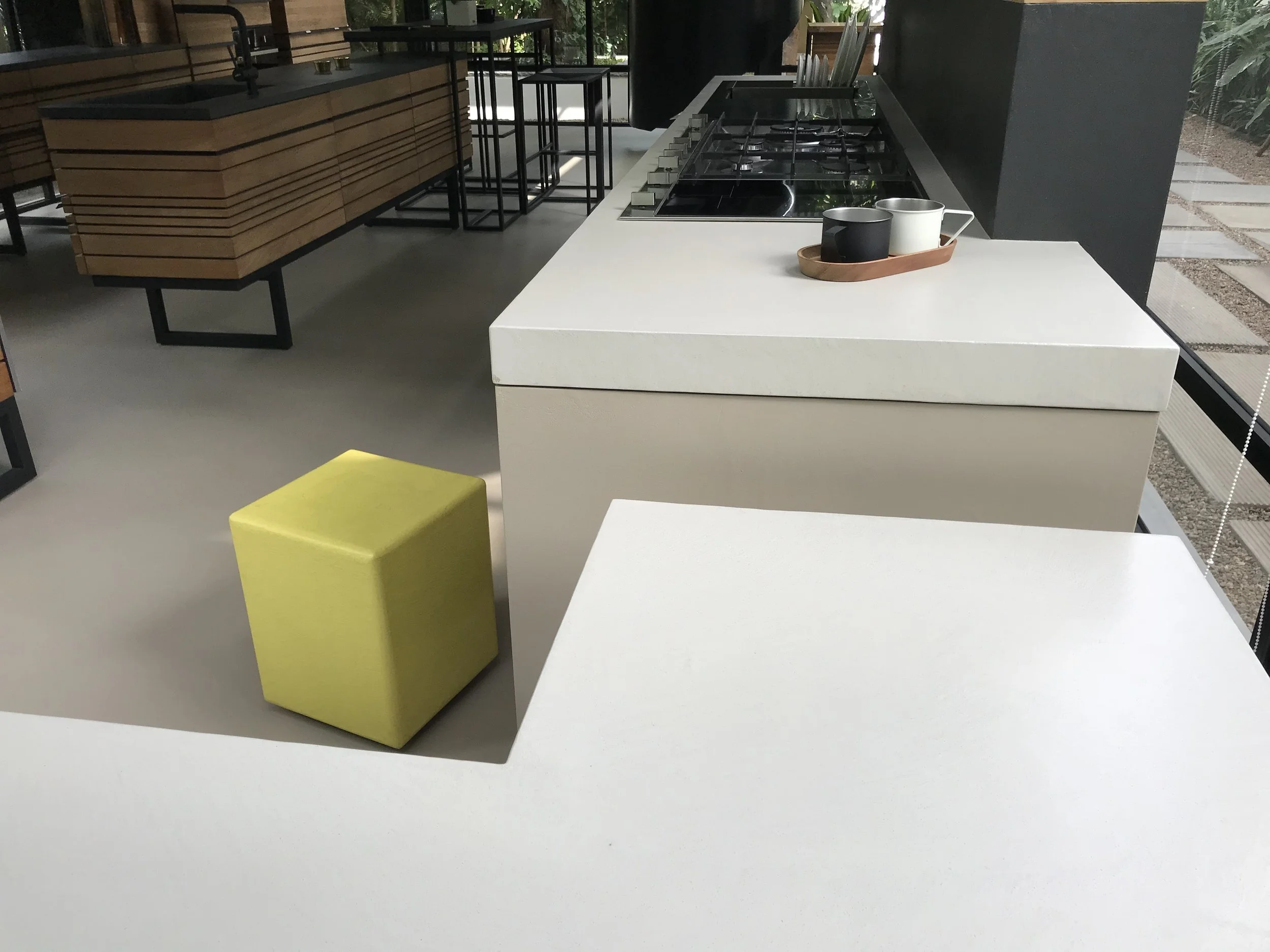
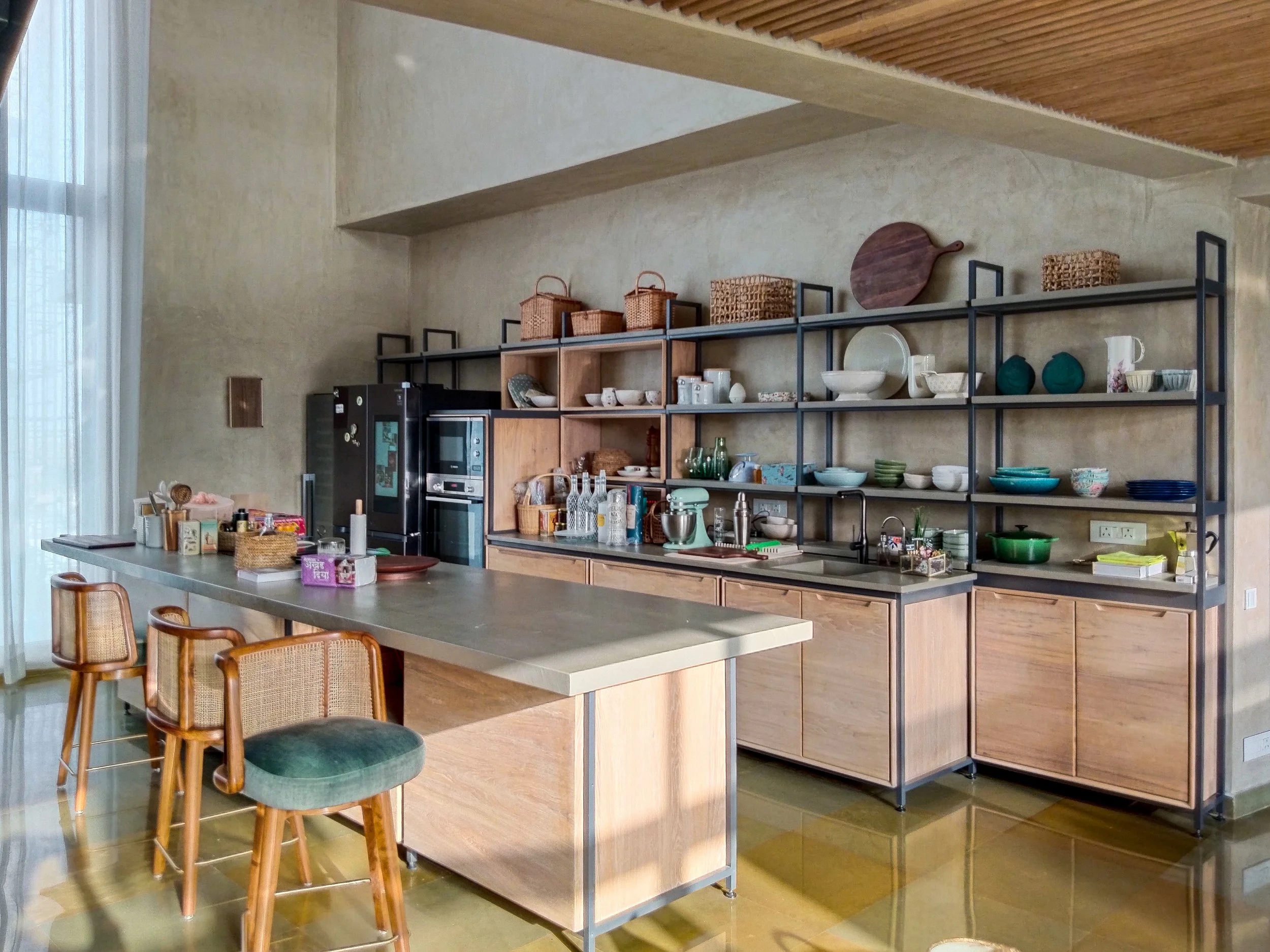
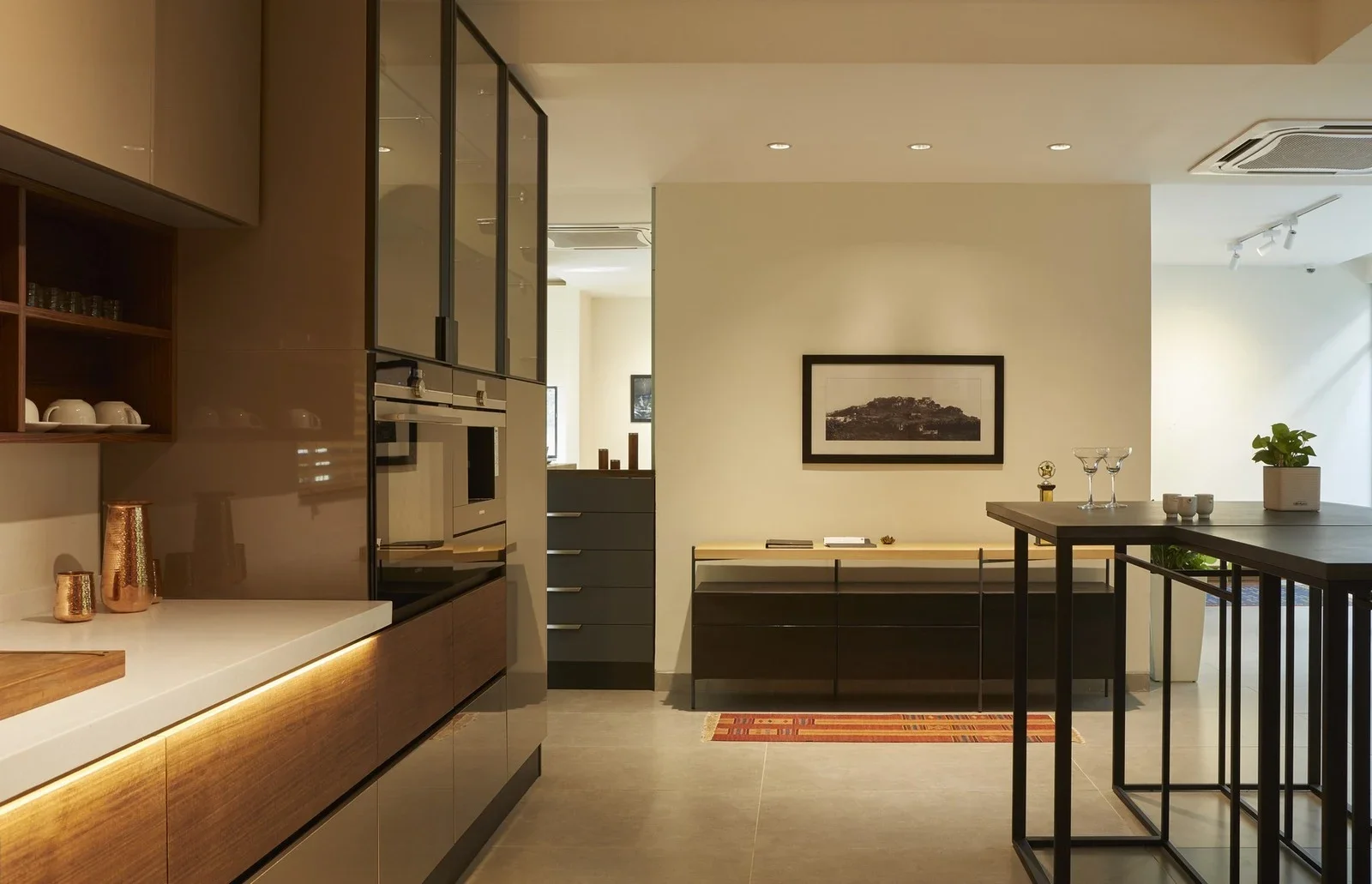
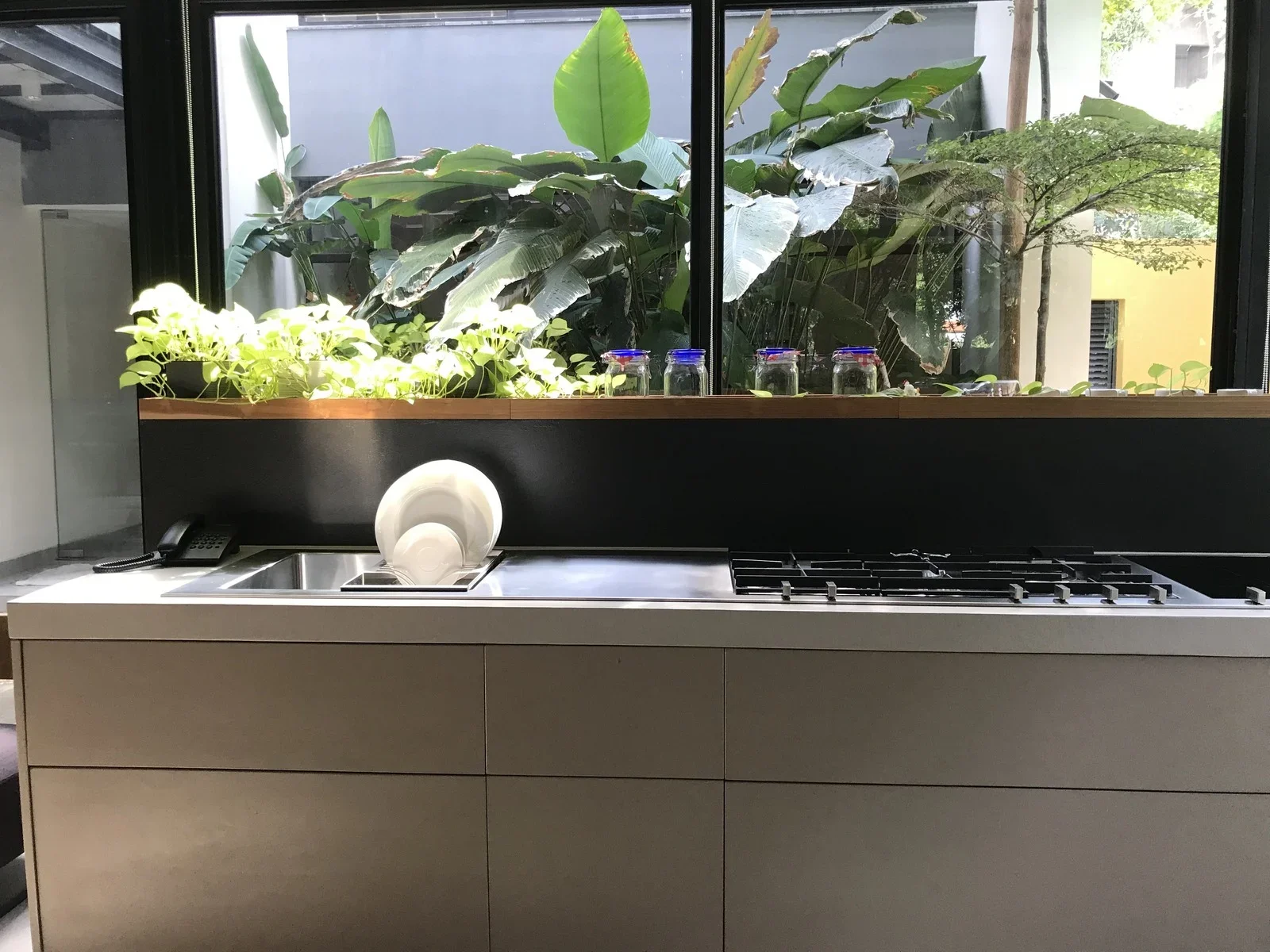
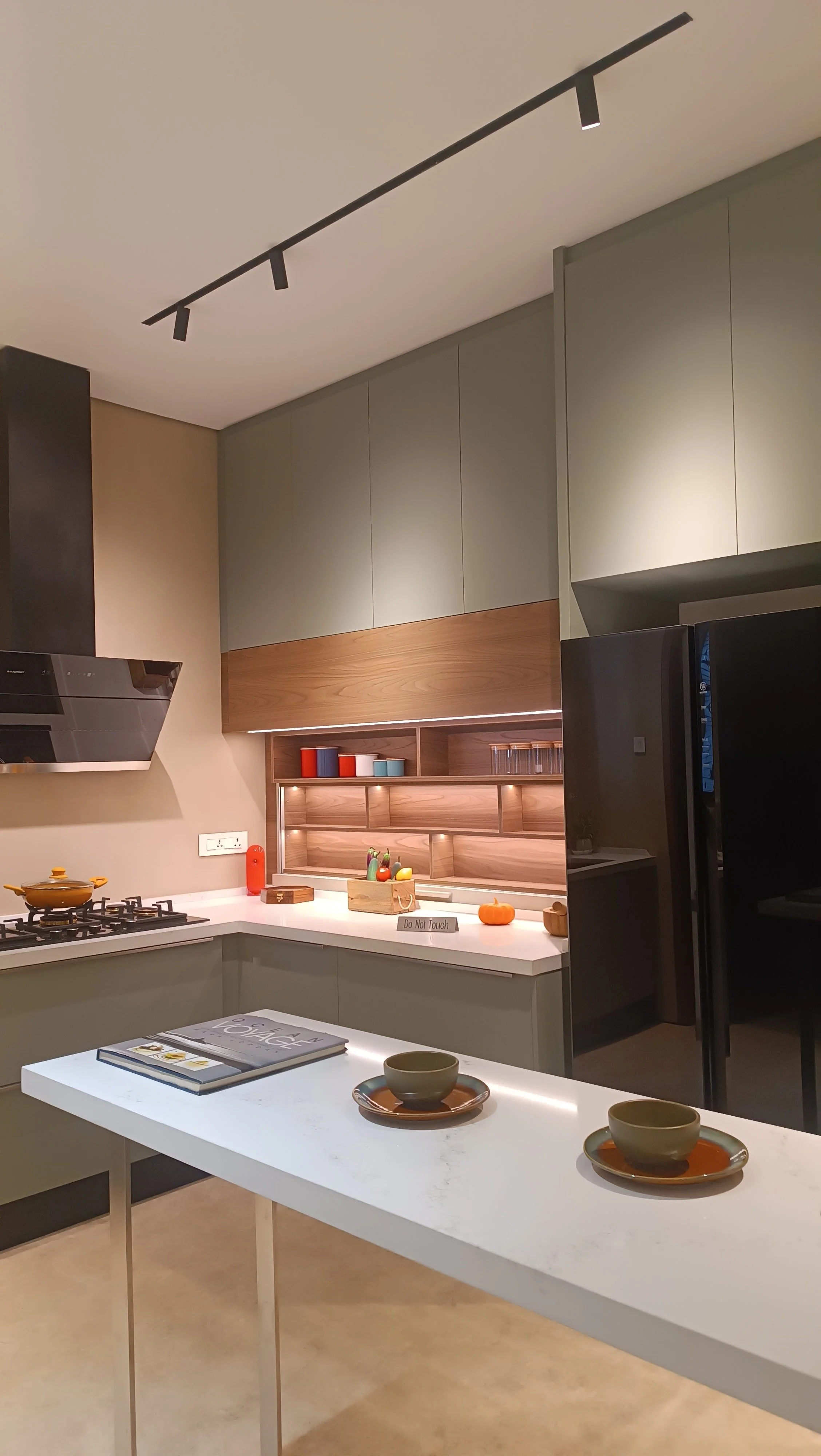
Kitchens
A kitchen is both system and place.
It asks for order without rigidity, access without awkwardness, durability without heaviness, and a material presence that can withstand daily life without losing dignity.
Questions such as maintenance, replaceability, and long-term usefulness often matter as much as appearance.
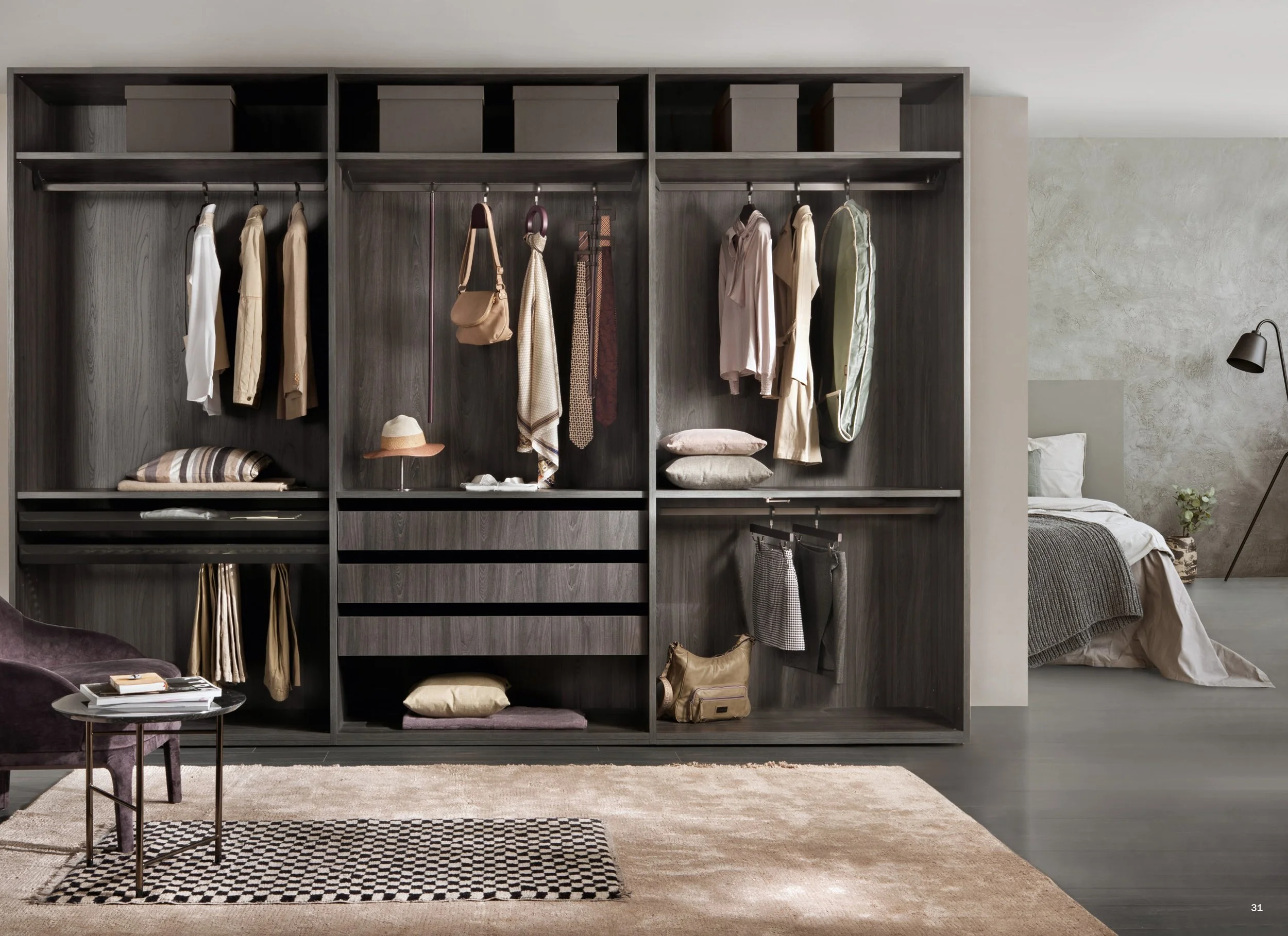
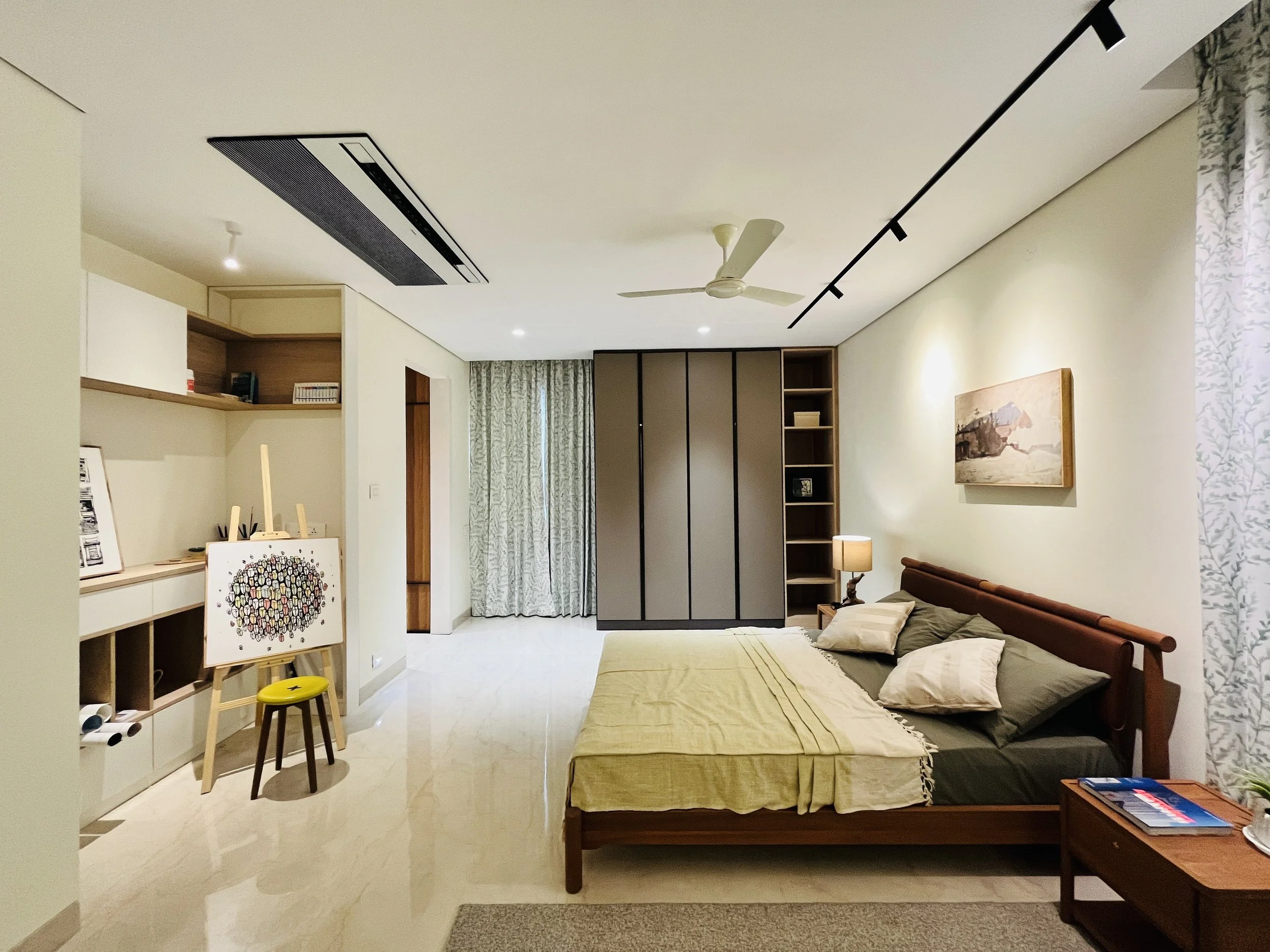
Wardrobes
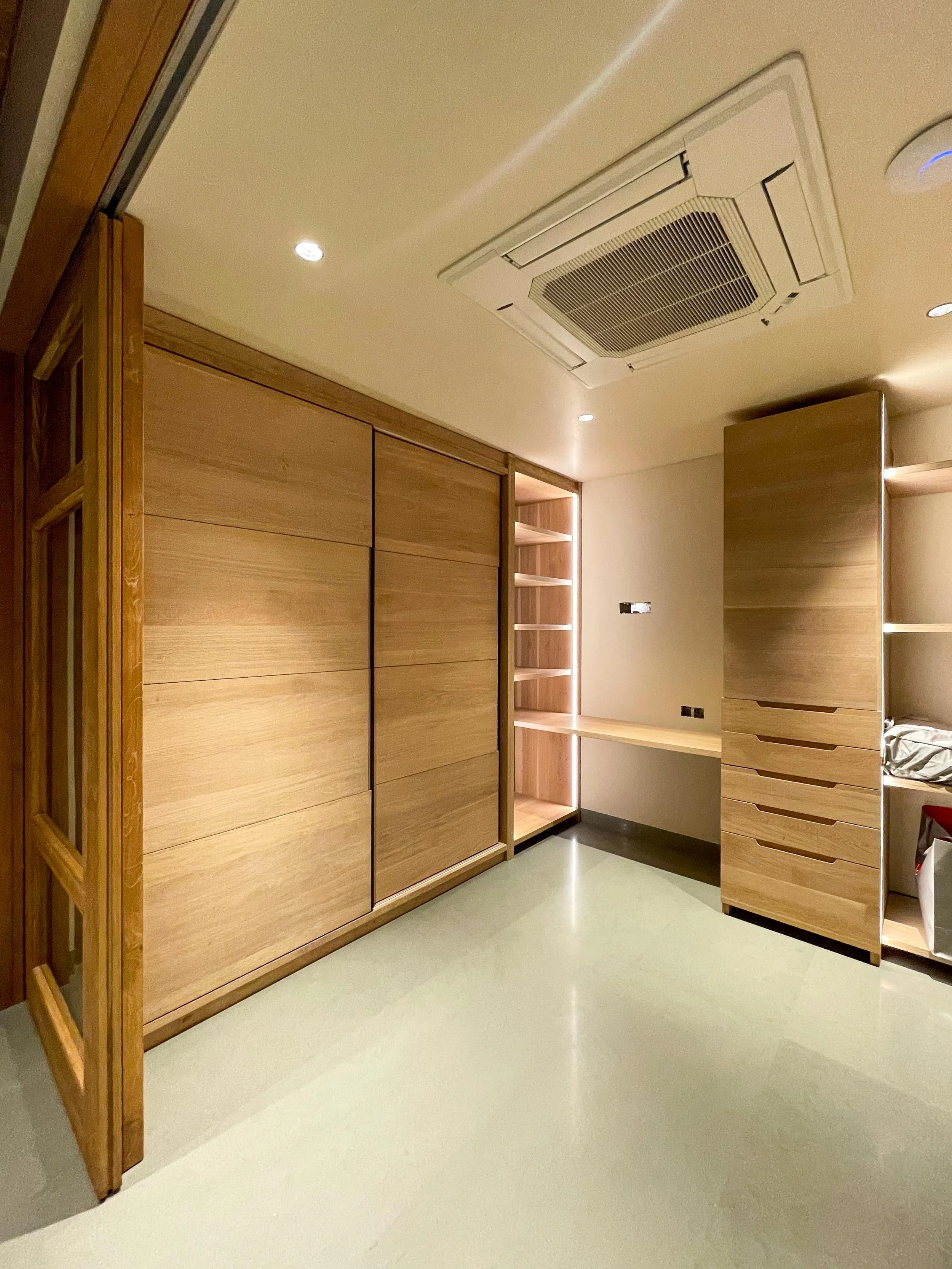
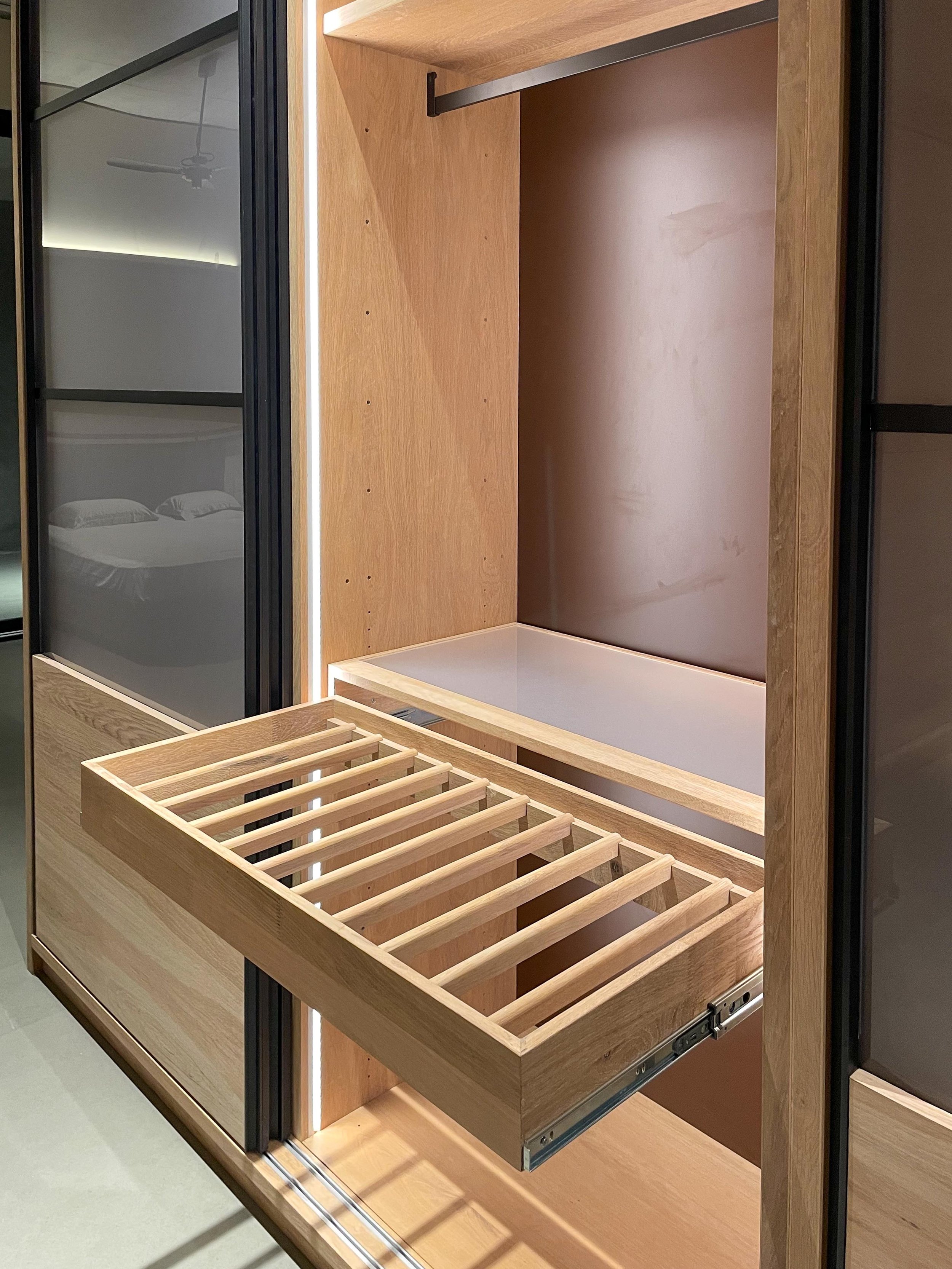
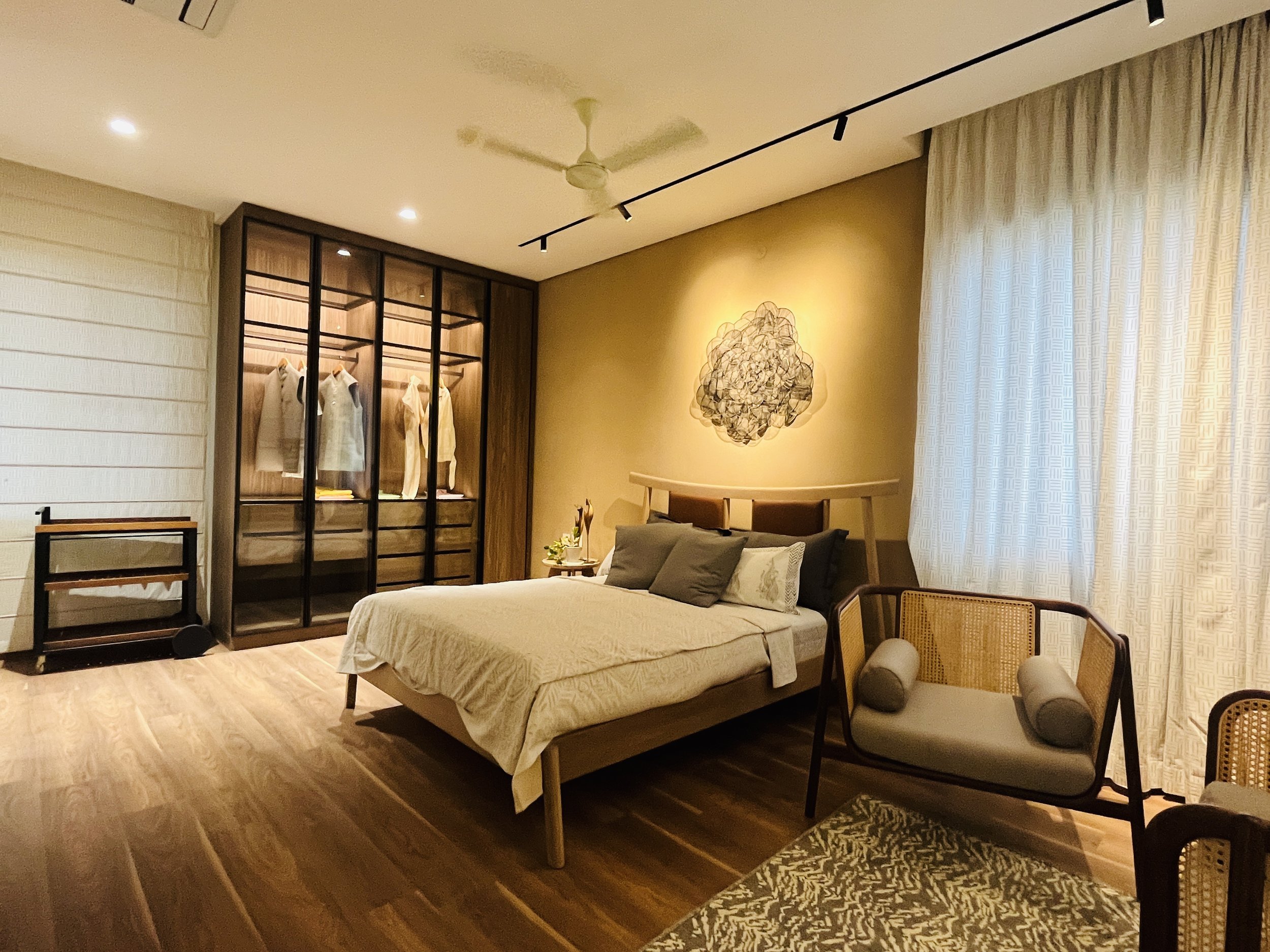
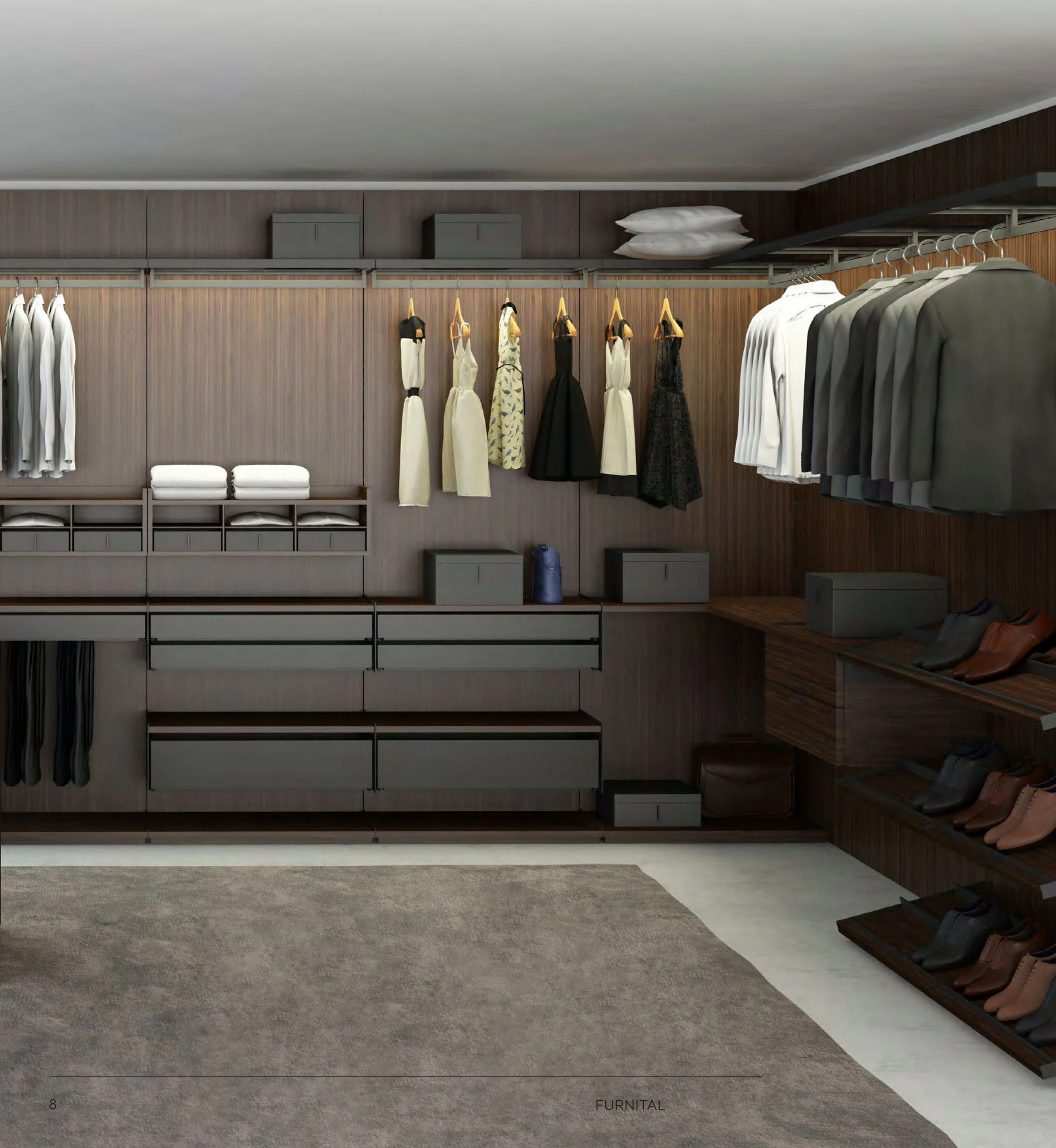
Wardrobes ask for a different kind of precision.
They are shaped by habit, movement, storage patterns, changing needs, and the practical realities of use over time.
What appears simple on the outside often depends on careful thought within: access, lighting, divisions, clearances, hardware, and the life of the system behind the surface.
Furniture
At times the work extends beyond kitchens and wardrobes into furniture related to the home, the street, and the life around it.
Whether it is a bespoke kitchen or wardrobe, a piece for a living space, or even street furniture, the same concerns remain: proportion, material, use, detail, and the relation between object and space.